
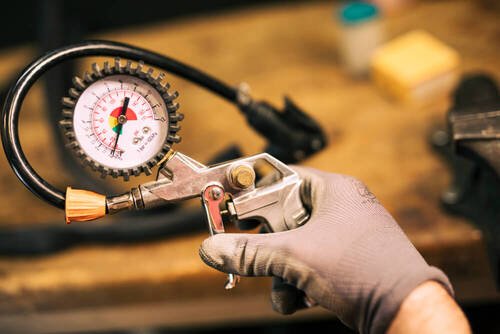
In the world of large-scale food processing, chemical manufacturing, and logistics, the industrial refrigerator is more than just a piece of equipment; it is a critical infrastructure asset.
The ability to maintain precise thermal conditions determines the safety of the global food supply and the viability of pharmaceutical products. At the center of these complex thermal ecosystems lies the compression technology that drives the entire cycle. Specifically, MYCOM compressors have established themselves as the industry benchmark for reliability and high-performance engineering in demanding environments.
However, even the most robust machinery requires a dedicated strategy for upkeep. Understanding the relationship between the machine’s design and the quality of Compressor parts used during maintenance is the difference between a facility that thrives and one that suffers from costly, unplanned downtime.
The Role of High-Performance Compression
The fundamental goal of any industrial refrigerator is to remove heat from a space or process and reject it elsewhere. This is achieved through the refrigeration cycle, where the compressor acts as the heart. It draws in low-pressure refrigerant gas and compresses it, significantly raising its temperature and pressure. This high-pressure gas is then condensed into a liquid, releasing the absorbed heat.
Because these systems often run 24/7, the mechanical stress on the internal components is immense. This is why many global industries rely on MYCOM compressors. Known for their “tough-as-nails” construction, these units—available in both reciprocating and screw configurations—are designed to handle natural refrigerants like Ammonia (NH3) and CO2 with high volumetric efficiency. Their design focuses on maximizing the displacement of gas while minimizing the energy required to move the rotors or pistons.
The Necessity of Genuine Compressor Parts
As a compressor operates, its internal components are subjected to high speeds, varying pressures, and thermal expansion. Over time, friction and material fatigue are inevitable. When the time comes for a scheduled overhaul or an emergency repair, the quality of the replacement Compressor parts is the most significant factor in the machine’s future performance.
Many facility managers are tempted to source third-party or generic components to reduce immediate operational expenses. However, this is often a “penny wise, pound foolish” approach. Industrial-grade machines like MYCOM compressors are built with tolerances measured in microns. Using a non-genuine seal, bearing, or gasket can lead to:
- Internal Bypass: A valve that doesn’t seat perfectly or a seal with the wrong elasticity can allow gas to leak back to the suction side. This forces the compressor to run longer to meet the cooling demand, skyrocketing your energy bills.
- Lubrication Failure: The oil pump and filters are vital Compressor parts. Generic filters may not capture the microscopic metal shavings that naturally occur over time, leading to scored rotor surfaces and eventual seizure.
- Reduced Lifespan: An industrial refrigerator is a long-term investment meant to last 20 to 30 years. Using sub-par components accelerates the wear of the primary castings and rotors, potentially cutting the machine’s life in half.
Strategies for Industrial Refrigerator Longevity
To ensure that your cooling plant operates at peak efficiency, a proactive maintenance culture must be established. This goes beyond simply fixing things when they break; it involves a data-driven approach to machine health.
1. Regular Oil and Vibration Analysis
The oil inside a compressor does more than lubricate; it seals the gaps between moving parts and carries away heat. By performing regular oil analysis, technicians can detect the chemical breakdown of the lubricant or the presence of moisture. Similarly, vibration monitoring on MYCOM compressors can identify bearing wear or rotor misalignment long before the human ear can hear a problem.
2. Heat Recovery Integration
Modern industrial cooling is shifting toward sustainability. The heat rejected by the compressor is a valuable energy source. By utilizing high-efficiency Compressor parts like specialized heat exchangers, facilities can capture “waste heat” to provide hot water for sanitation or boiler pre-heating. This effectively turns your industrial refrigerator into a dual-purpose energy plant.
3. Adherence to Service Intervals
Every high-performance machine has a “birth-to-death” maintenance schedule. Replacing wear items like O-rings, mechanical shaft seals, and suction valves at the manufacturer-recommended hour intervals prevents the “cascading failure” effect, where one small part breaking causes major damage to the entire drive train.
Conclusion: Protecting the Core of Your Operation
The reliability of your industrial refrigerator is the foundation upon which your production goals are built. By investing in the precision engineering of MYCOM compressors and safeguarding that investment with authentic, high-quality Compressor parts, you ensure that your facility remains competitive in an increasingly demanding global market.
In the world of industrial compression, there are no shortcuts. Quality hardware combined with a commitment to genuine components and proactive service is the only proven path to operational excellence. When the heart of your plant is strong, the rest of the facility can operate with confidence.